



Co je to antistatická bunda?
2026-09-18 10:37
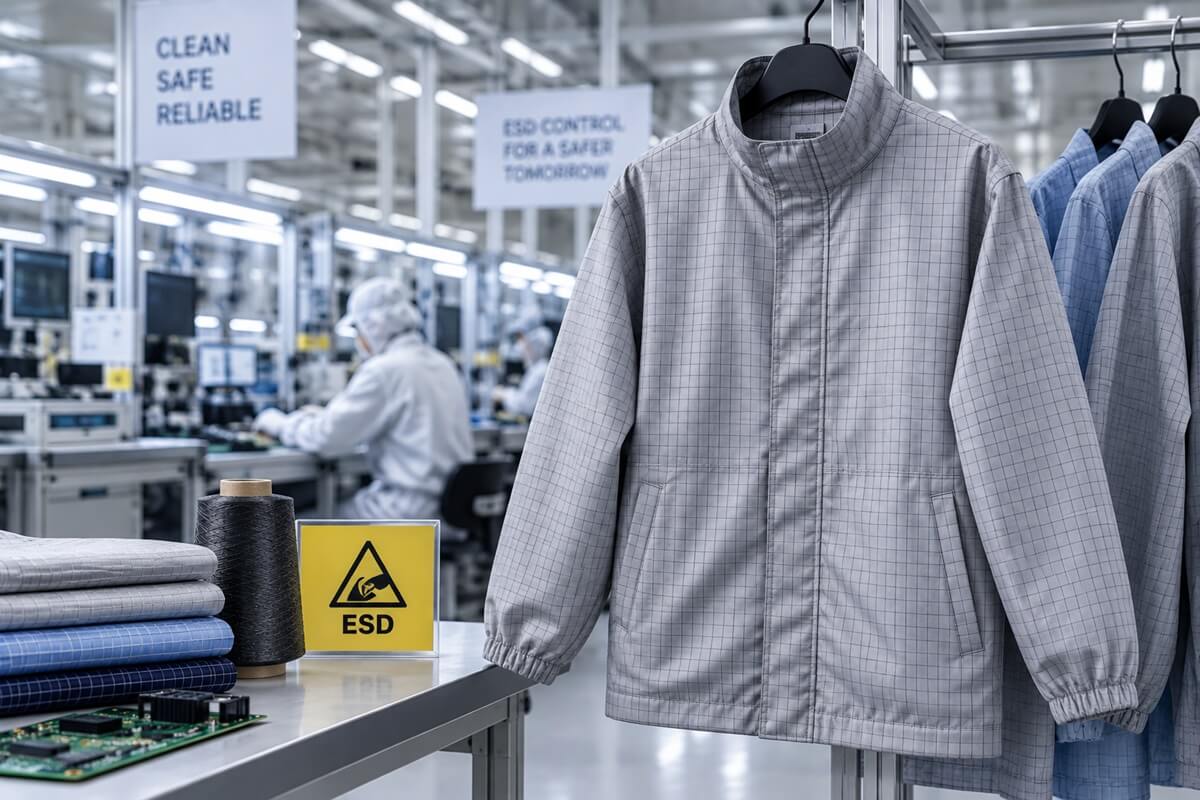
Účinná antistatická bunda je výsledkem několika propojených kroků textilního inženýrství, nikoli jediné povrchové úpravy.
Proces začíná vodivými vlákny nebo přízemi, které jsou integrovány do antistatické tkaniny a poté přeměněny na vhodně navržené oděvy. Produktové portfolio společnosti CJTI zahrnuje vodivé příze, antistatické tkaniny a hotové funkční oděvy, což je užitečný příklad této struktury „příze-látka-oděv“.Pro kupující, kteří vyvíjejí antistatické pracovní oděvy na míru, umožňuje tento integrovaný přístup společně zvážit složení materiálu, strukturu tkaniny, design oděvu a požadavky na konečné použití, namísto samostatného výběru každé složky.
Často kladené otázky o antistatických bundách
Je antistatická bunda totéž co ESD bunda?
Pojmy se překrývají, ale nejsou vždy zaměnitelné. d"Antistatická bunda" obecně popisuje oděv určený k regulaci statické elektřiny, zatímco bunda ESD se často používá v prostředích s kontrolou elektrostatického výboje. Kupující by si měli ověřit skutečný standard a testovaný výkon, spíše než se spoléhat pouze na název produktu.
Můžu si přes ESD bundu obléct běžnou bundu?
V prostředí s kontrolovaným ESD může přidání běžného oděvu narušit zamýšlený systém oděvu. Vrstvy oděvu by měly být vybrány v souladu s platným programem ESD a požadavky pracoviště.
| Jak se vyrábí antistatická tkanina? | Jednou z běžných metod je integrace vodivých vláken nebo přízí do základní textilie do mřížky, pruhu nebo směsné struktury. Výsledná vodivá síť pomáhá rozptylovat nahromaděný elektrický náboj. |
|---|---|
| Ztrácí antistatická bunda po vyprání své vlastnosti? | Výkon závisí na vodivé technologii, konstrukci tkaniny, pracím procesu a stavu oděvu. Kupující by se měli řídit pokyny výrobce k údržbě a veškerými požadovanými kontrolními nebo testovacími postupy, spíše než předpokládat, že antistatický výkon je trvalý. |
| Závěr | Antistatická bunda je více než standardní pracovní bunda s označením ESD. Její výkon závisí na interakci mezi vodivými vlákny nebo přízemi, antistatickou konstrukcí tkaniny, designem oděvu, příslušnými normami a skutečným pracovním prostředím. |
| Pro průmyslové odběratele je nejlepším přístupem nejprve definovat požadovanou elektrostatickou ochranu a poté vyhodnotit složení tkaniny, vodivou strukturu, styl oděvu, pohodlí, odolnost a požadavky na testování. To pomáhá zajistit, aby vybraná bunda fungovala jako součást zamýšleného systému ESD nebo antistatického pracovního oděvu, a ne aby pouze poskytovala vzhled ochranného oděvu. | Distributes conductive elements through the textile |
| Garment design | Maintains appropriate coverage and continuity in use |
This means an ESD jacket should be evaluated as a complete garment system rather than simply by checking whether conductive fiber is present.
What Materials Are Used in Antistatic Jackets?
The performance of an antistatic jacket starts with its textile materials. Different combinations can be selected depending on the working environment, comfort requirements, durability, and additional protective functions.
Polyester and Cotton Antistatic Fabrics
Polyester-cotton blends are commonly used for industrial antistatic workwear because they combine practical garment properties with conductive components.
For example, CJTI offers T/C antistatic fabric made from polyester, cotton, and conductive carbon fiber for workwear used in industries including electronics, petrochemicals, automotive manufacturing, and electrical applications.
Cotton content can help improve the textile feel and moisture management, while polyester contributes durability and dimensional stability. The conductive component provides the required electrostatic functionality.
Polyester Antistatic Fabrics
Polyester-based antistatic fabrics are another option, particularly where durability, easy care, or specialized garment construction is required.
The important distinction is that ordinary polyester is not automatically antistatic. Conductive fibers or conductive yarnmust be engineered into the textile structure to provide reliable charge-dissipation pathways.
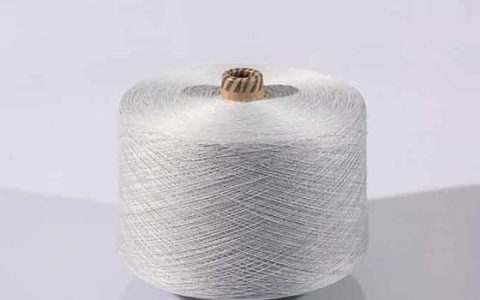
Conductive yarns can use carbon-based materials, stainless steel fibers, or other conductive components depending on the required performance and textile construction. CJTI, for example, produces conductive filament composite yarn intended for applications including cleanroom fabrics and antistatic workwear.
Antistatic Fleece
Cold working environments introduce another challenge: workers may need both warmth and ESD control.
An antistatic fleece jacket uses conductive elements within fleece fabric instead of relying on conventional fleece alone. CJTI's antistatic polar fleece, for example, combines polyester with conductive fiber and is intended for garments including ESD jackets, sweatshirts, vests, and softshells.
This is particularly useful when an ESD clothing system needs an insulating layer without introducing an uncontrolled conventional fleece garment.

Antistatic Jacket vs. Regular Work Jacket
The difference is not simply appearance. Two jackets may look almost identical while having very different electrostatic properties.
| Feature | Antistatic Jacket | Regular Work Jacket |
|---|---|---|
| Conductive elements | Incorporated into the fabric | Usually absent |
| Static control | Designed to dissipate charge | Not specifically controlled |
| ESD applications | Suitable when appropriately specified and tested | Generally not intended for ESD control |
| Fabric selection | Antistatic/ESD textile | Conventional workwear textile |
| Testing requirements | May need relevant ESD/antistatic standards | General garment requirements |
For this reason, replacing an ESD garment with a visually similar conventional work jacket can compromise the intended electrostatic control system.
Where Are Antistatic Jackets Used?
Antistatic jackets are particularly relevant where electrostatic discharge could interfere with products, processes, or hazardous environments.
Electronics and Electrical Manufacturing
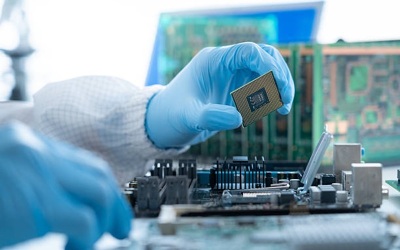
Electronic components can be sensitive to electrostatic discharge. An ESD clothing system helps control charge generated by workers and their clothing during manufacturing, assembly, testing, and handling.
Typical environments include electronics assembly, microelectronics, precision instruments, and other ESD-sensitive production areas.
Petrochemical and Industrial Environments
Static electricity can also be a concern where flammable gases, vapors, or other hazardous substances may be present. Antistatic clothing is therefore used in various petrochemical and industrial applications.
However, antistatic performance should not be treated as a substitute for other required protective properties. If the workplace also presents flame, heat, chemical, or arc hazards, the garment system must be selected for those risks as well.
Cleanrooms and Controlled Environments
In cleanrooms, clothing may need to support both contamination control and electrostatic management. The fabric, garment construction, accessories, and overall ESD control system therefore need to work together.
CJTI identifies antistatic fabrics and conductive yarns for cleanroom and electronics-related workwear applications.
What Standards Should an Antistatic Jacket Meet?
Standards are an important sourcing consideration because the term "antistatic" alone does not tell a buyer how a garment was evaluated.
For European protective clothing applications, EN 1149 is a key standards series covering electrostatic properties of protective clothing. CJTI lists EN 1149 for several of its antistatic workwear fabrics.
For ESD-controlled environments involving sensitive electronic devices, IEC 61340-5-1 is also commonly relevant to the broader electrostatic control program.
Buyers should therefore avoid asking only:
"Is this jacket antistatic?"
A better sourcing discussion should establish the intended application, required standard, fabric test method, garment construction, and whether the finished garment—not merely the raw fabric—needs certification or testing.
How to Choose an Antistatic Jacket
For B2B sourcing, start with the working environment rather than garment appearance.
Consider these factors:
Required standard: Determine which ESD or protective-clothing requirements apply to the workplace.
Fabric construction: Confirm the base fibers, conductive material, conductive grid or stripe configuration, and fabric weight.
Garment design: Jacket closure, cuffs, pockets, seams, and overall coverage should suit the intended ESD control system.
Comfort and durability: Consider breathability, abrasion resistance, washing requirements, and working temperature.
Additional protection: Determine whether flame resistance, chemical protection, visibility, waterproofing, or other functions are also necessary.
Finished-product testing: Confirm whether compliance applies to the fabric, finished garment, or complete clothing system.
For colder workplaces, an antistatic fleece jacket or ESD-compatible insulating layer may be more appropriate than adding an ordinary fleece beneath an antistatic outer garment.
From Conductive Yarn to Antistatic Workwear
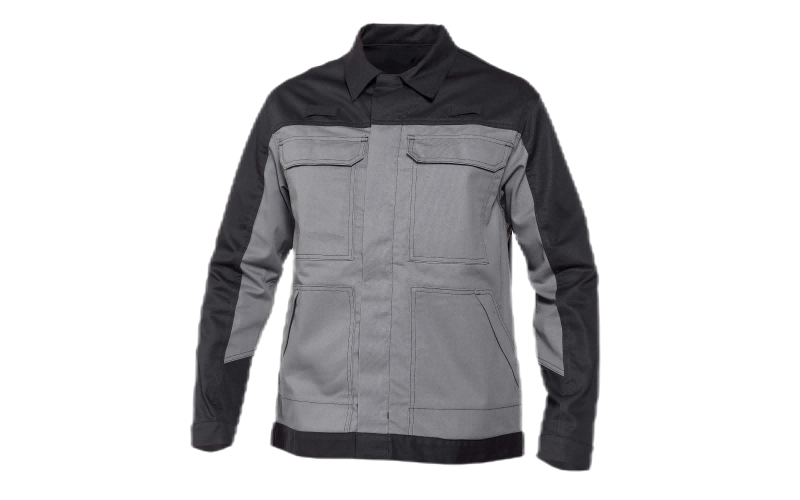
An effective antistatic jacket is the result of several connected textile engineering stages rather than a single surface treatment.
The process begins with conductive fibers or yarns, which are integrated into antistatic fabric and then converted into properly designed garments. CJTI's product portfolio covers conductive yarn, antistatic fabrics, and finished functional clothing, providing a useful example of this yarn-to-fabric-to-garment structure.
For buyers developing customized antistatic workwear, this integrated approach makes it possible to consider material composition, fabric structure, garment design, and end-use requirements together instead of selecting each component independently.
Frequently Asked Questions About Antistatic Jackets
Is an antistatic jacket the same as an ESD jacket?
The terms overlap but are not always interchangeable. "Antistatic jacket" broadly describes a garment designed to control static buildup, while ESD jacket is often used in electrostatic discharge control environments. Buyers should check the actual standard and tested performance rather than relying on the product name alone.
Can I wear a normal jacket over an ESD jacket?
In an ESD-controlled environment, adding an ordinary garment can interfere with the intended clothing system. Clothing layers should be selected according to the applicable ESD program and workplace requirements.
How is antistatic fabric made?
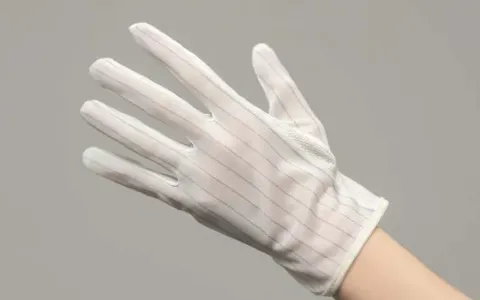
One common method is to integrate conductive fibers or yarns into the base textile in a grid, stripe, or blended structure. The resulting conductive network helps dissipate accumulated electrical charge.
Does an antistatic jacket lose its performance after washing?
Performance depends on the conductive technology, fabric construction, washing process, and garment condition. Buyers should follow the manufacturer's care instructions and any required inspection or testing procedures rather than assuming antistatic performance is permanent.
Conclusion
An antistatic jacket is more than a standard work jacket with an ESD label. Its performance depends on the interaction between conductive fibers or yarns, antistatic fabric construction, garment design, relevant standards, and the actual working environment.
For industrial buyers, the best approach is to define the required electrostatic protection first and then evaluate fabric composition, conductive structure, garment style, comfort, durability, and testing requirements. This helps ensure that the selected jacket functions as part of the intended ESD or antistatic workwear system rather than simply providing the appearance of protective clothing.
Související zprávy
Více >-
![K čemu se používá příze z nerezové oceli?]()
K čemu se používá příze z nerezové oceli?
Zjistěte, k čemu se používá nerezová příze, od antistatických a EMI stínící tkanin až po inteligentní textilie, vytápění a ochranné oděvy.
-
![Co je to příze z nerezové oceli?]()
Co je to příze z nerezové oceli?
Co je to nerezová příze? Zjistěte více o její vodivosti, vlastnostech, typech, aplikacích a využití v antistatických, ESD a funkčních textiliích.
-
![Co jsou to textilie zpomalující hoření?]()
Co jsou to textilie zpomalující hoření?
Zjistěte, co jsou nehořlavé textilie, jak fungují, jaké jsou klíčové typy tkanin, aplikace, normy a jak vybrat nehořlavé tkaniny pro ochranné oděvy.
-
![Co je bavlněná nehořlavá tkanina?]()
Co je bavlněná nehořlavá tkanina?
Vysvětluje, co je bavlněná nehořlavá tkanina, jak funguje, jak se liší od inherentních nehořlavých materiálů, kde se používá, jaké standardy by měli kupující zvážit a jak vybrat správnou tkaninu pro program ochranných oděvů.
-
![Která je lepší, aramidová nebo kevlarová tkanina?]()
Která je lepší, aramidová nebo kevlarová tkanina?
Porovnejte aramidovou tkaninu s kevlarovou tkaninou, včetně pevnosti, nehořlavosti, použití a klíčových rozdílů pro výběr správného ochranného materiálu.
-
![Co je aramidová tkanina?]()
Co je aramidová tkanina?
Zjistěte, co je aramidová tkanina, jaké jsou její klíčové vlastnosti, rozdíly mezi meta aramidovou tkaninou a para aramidovou tkaninou, běžné aplikace a jak vybrat správnou nehořlavou tkaninu pro průmyslové ochranné oděvy.
-
![Co je oblečení odolné proti proříznutí úrovně 5?]()
Co je oblečení odolné proti proříznutí úrovně 5?
-
![Proč se elektronický průmysl spoléhá na antistatickou tkaninu]()
Proč se elektronický průmysl spoléhá na antistatickou tkaninu